Subsidies for electric commercial vehicles: secure grants
In Switzerland, subsidies for electric commercial vehicles are the key to successfully electrifying your fleet. While direct purchase premiums will be a thing of the past from 2025, new opportunities are opening up through targeted infrastructure funding and cantonal programs. Those who set the right course now will benefit from attractive subsidies and position their company in a future-proof competitive position.
With the introduction of the Electric Mobility Roadmap 2025, Switzerland has embarked on a clear path to systematically promote electric commercial vehicles. The targets are ambitious, but necessary for a sustainable transportation sector.
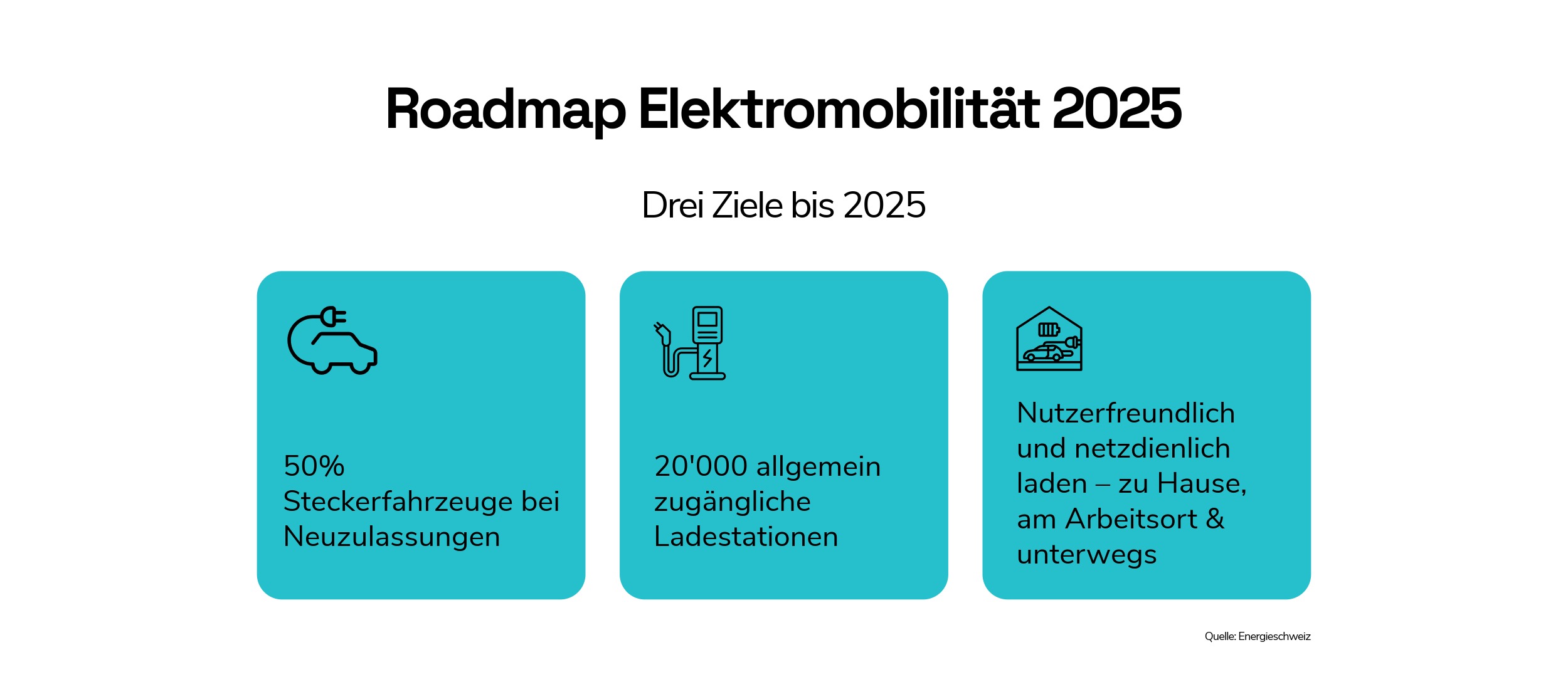
In September 2024, the roadmap was extended to 2030, with a particular focus on light commercial vehicles and public transport buses. This extension recognizes the growing importance of electric delivery vans for daily transport - an area in which Flux Mobility is already setting standards with innovative solutions.
The historical development shows an impressive change: from the first pilot projects in the 1980s to the Light Electric Vehicles (LEM) funding program in 1992 and systematic programs for heavy commercial vehicles from the 2010s onwards. This development reflects the transition from experimental phases to a technology-driven, efficient funding policy.
As a pioneer, Flux Mobility launched the first delivery van with a battery capacity of over 100 kWh in 2022 and was the first company with a fully electric all-wheel drive for delivery vans. These innovations open up new opportunities for transport companies to make their fleets emission-free without having to compromise on performance or range.
From January 1, 2025, stricter CO₂ emission regulations for heavy commercial vehicles will come into force in Switzerland. These regulations are based on the EU specifications, but require an additional 15% reduction in average emissions compared to the EU base corridor model.
The reversal of the target value curve is particularly striking: Whereas previously heavier vehicles allowed higher emissions, stricter CO₂ limits now apply to heavy commercial vehicles. These new target values are forcing manufacturers to increasingly convert their fleets to electromobility.
Key players from the transport industry, energy suppliers, vehicle manufacturers and research institutions are now working hand in hand to develop practical solutions for electric mobility in the commercial vehicle sector. Flux Mobility is a key partner here, paving the way for electric commercial vehicles suitable for everyday use through customer-centric development.
The current federal program is aimed at what transport companies really need: reliable charging facilities for e-trucks and vans. Applications can be submitted until August 2025 and the funding will be awarded in September 2025.
CHF 4 million is available for planning studies. The "Electric heavy commercial vehicles (E-SNF)" program of the Energy Agency for Industry (EnAW) promotes the replacement of diesel trucks with electric models. However, from 2025, only certain vehicle types will be eligible for funding, in particular those that were put into operation before the end of 2024.
In addition, many cantons offer up to 60% of the installation costs for charging points in company garages and depots -- an opportunity to make the operational infrastructure fit for the future at a manageable cost.
Flux Mobility supports companies in making optimum use of these subsidies. With the experience gained from numerous successfully implemented projects, Flux Mobility not only offers the right vehicles, but also advice on integrating charging infrastructure into existing operating processes -- a decisive advantage for fleet managers and managing directors looking for uncomplicated solutions.
The canton of Zurich is leading the way with a funding budget of CHF 50 million. This money will be used to equip over 74,000 parking spaces with basic infrastructure, including many locations that are relevant for commercial vehicles. The funding program supports up to 60% of the system costs or CHF 80 per kW of connected load.
CHF 31 million has already been allocated by March 2025 - a sign that it is time to act now. As the funding can be exhausted quickly, it is essential to check the conditions and submit applications on time.
In Switzerland, there are considerable cantonal differences in subsidy programs and tax breaks for electric commercial vehicles. The canton of Basel-Stadt, for example, offered a subsidy programme until the end of 2022 that subsidized 20% of the purchase price for purely electric vehicles.
The use of cantonal funding cards, such as those provided by Swiss eMobility , creates transparent access routes and helps to exploit the optimal combination of funding.
Particularly interesting for companies:
Compared to other European countries, Switzerland takes a pragmatic approach:
These different approaches contribute to the modernization of the transport infrastructure and show that there is no one right way: There is no one right way, but various successful strategies.
The daily demands on electric commercial vehicles are high. Transport companies need:
The BKW study on fast-charging hubs shows: Battery-powered electric vehicles (BEV) will achieve a market share of around 43% by 2030. The expansion of fast charging infrastructure, especially for heavy commercial vehicles, is crucial for broad acceptance.
Flux Mobility has responded to these requirements with specific solutions. Flux Mobility is the first company in Switzerland to offer vehicles with 3.5 tons of towing capacity - a decisive advantage for tradespeople and service providers who need to transport heavy loads. The all-electric all-wheel drives ensure maximum traction in all weather conditions - a real plus for Swiss companies in the Alpine region.
The switch to electric commercial vehicles pays off in the long term:
Practical examples confirm this: E-trucks in mountainous regions and urban delivery fleets are already achieving significant cost savings and positive environmental effects.
The vehicles from Flux Mobility offer particular added value here: they enable the 1:1 replacement of diesel vehicles without operational restrictions. Decision-makers in the transportation sector particularly appreciate the flexibility in daily use and the uncomplicated procurement -- a pragmatic approach that is typical of the down-to-earth Swiss corporate philosophy.
Despite the progress made, there are still hurdles to overcome:
The lack of high-performance charging stations for heavy commercial vehicles remains a key problem. Logistics locations in particular face special challenges:
The Handelszeitung reports that one in five trucks will be electric by 2030. Nevertheless, economic hurdles are influencing corporate decisions:
Solutions are developing rapidly: specialized battery technologies for commercial vehicles and hybrid charging systems for logistics centers are making the changeover increasingly practicable.
The existing electricity grid is not prepared everywhere for the additional demand from electric commercial vehicles:

Studies show that electric commercial vehicles cause fewer breakdowns than their diesel counterparts. With fewer moving parts, they require less maintenance and are more reliable - an important factor for companies that rely on their vehicle fleet.
The "Electric Mobility Roadmap 2025" aims for 20,000 charging points by 2030. Particularly relevant for transport companies:
Experts emphasize: Only with sufficient charging infrastructure will e-mobility become commonplace in the commercial vehicle sector.
Close cooperation between transport and logistics companies, energy suppliers, infrastructure operators and vehicle manufacturers is crucial for a successful transition. Only together can the complex requirements of commercial transportation be mastered.
The market for electric commercial vehicles is developing dynamically. The Routiers report: E-trucks are on the rise, the commercial vehicle market is doing well. Clear trends are emerging:
This development is putting pressure on European manufacturers to develop innovative and economical solutions.
In this competitive environment, Flux Mobility deliberately positions itself as a down-to-earth but innovative Swiss provider. Instead of mass production, the company focuses on customer-oriented solutions that are precisely tailored to the needs of the Swiss transport industry. With vehicles that function reliably even in challenging terrain, Flux Mobility offers a convincing alternative to international large-scale manufacturers - in line with the company value of "customer proximity and excellent execution".
The third stage of the roadmap will begin in 2026 with an increased focus on commercial vehicles:
These measures will be decisive in driving forward the electrification of the commercial vehicle sector.
The future of electromobility in Switzerland offers tangible opportunities for the transportation industry:
Companies that set the course now can benefit from the transformation and position themselves as pioneers.

The Swiss funding landscape has changed fundamentally by 2025, with a clear focus on charging infrastructure and tax relief instead of direct purchase premiums. Despite infrastructural challenges and higher initial costs, cantonal programs and innovative financing models offer attractive opportunities to reduce costs.
Companies should find out about regional funding opportunities at an early stage and enter into strategic partnerships. The combination of CO₂ regulation, infrastructure funding and technological advances creates a favorable environment for the switch to electric commercial vehicles.
Flux Mobility sees itself as an equal partner that supports and simplifies this transition. "We always focus on the use of our vehicles in everyday life," the company emphasizes. "The easier and more convenient our vehicles are to use, the more value we generate in our customers' daily lives." This down-to-earth philosophy is reflected in every aspect of the corporate culture - from the partnership-based customer relationship to uncomplicated, friendly communication.
Would you like to make the most of the available subsidies for your company? Our experts at Flux Mobility will help you find the right combination of vehicles, charging infrastructure and subsidy programs.
From the initial consultation and application to successful implementation - we accompany you on the way to an electric fleet. Benefit from our experience with cantonal funding programs and our network in the Swiss e-mobility landscape.
Contact us today for a no-obligation consultation.